BLOG

what-is-towing-capacity-how-is-it-measured
BLOG

What Is Towing Capacity? How Is it Measured?

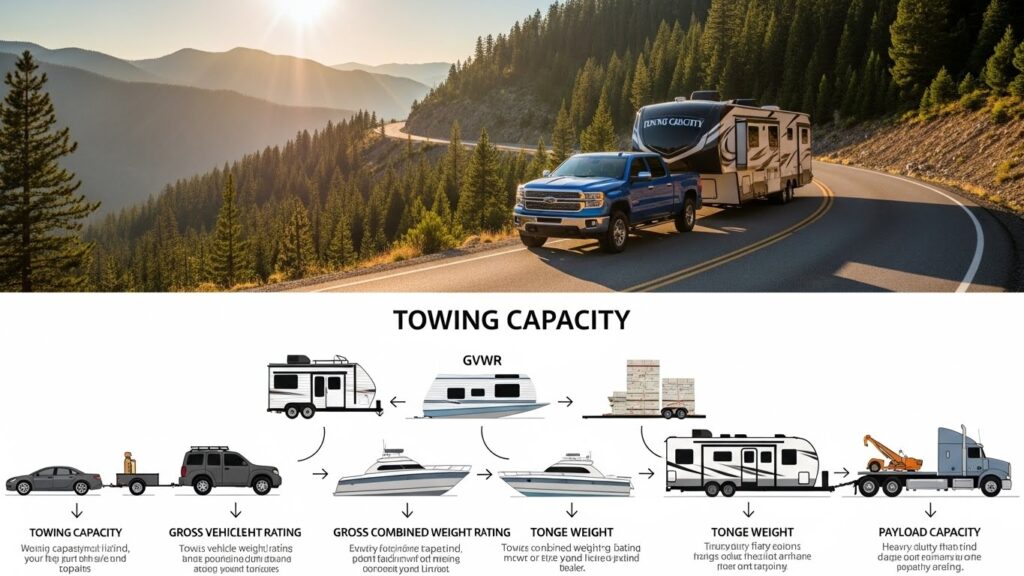
Blog What Is Towing Capacity? How Is it Measured? January 5, 2026 admin Towing capacity is the maximum amount of weight a vehicle is engineered to pull safely, consistently, and without putting critical components at risk. For towing professionals, this is not a theoretical number; it is a working limit that directly influences dispatch decisions, job acceptance, and day-to-day fleet performance. Every tow, whether light-duty or heavy recovery, starts with knowing that the truck assigned can handle the load without compromise. This guide is designed for towing operators, dispatchers, and fleet managers who want clarity. Whether your operations run light-duty pickups, medium-duty wreckers, or heavy-duty recovery units, understanding towing capacity allows you to assign jobs confidently, protect your equipment, and operate within compliance on every call. What Does Towing Capacity Mean? Towing capacity is the manufacturer-established maximum weight a vehicle can pull while maintaining safe handling, braking control, and mechanical reliability. This rating reflects what the entire vehicle system, engine, transmission, axles, frame, suspension, and brakes, can manage under normal operating conditions. For towing professionals, it defines which trucks are appropriate for motorcycles, passenger cars, SUVs, commercial vans, or larger recoveries such as RVs and box trucks. One important distinction within towing capacity is braked versus unbraked limits. Braked Towing Capacity This is the maximum weight a vehicle can tow when the trailer or load is equipped with its own braking system. Vehicle transport trailers and heavier equipment commonly fall into this category, allowing higher towing limits because braking demand is shared. Unbraked Towing Capacity This applies when the towed load has no independent brakes and relies entirely on the tow vehicle to stop. Because stopping forces are concentrated on the truck alone, unbraked limits are much lower. A frequent industry question is whether towing capacity includes the weight of the truck itself. The short answer is no, but the full explanation requires understanding GCWR and curb weight, which is covered in the next section. Essential Towing Weight Ratings Explained Understanding towing capacity starts with knowing the weight ratings that control how much a vehicle can pull and carry safely. These ratings apply across all fleet sizes, from light-duty service trucks to heavy-duty recovery units. Misreading any one of them can lead to unsafe assignments, overloaded equipment, and premature wear. GVWR (Gross Vehicle Weight Rating) GVWR is the maximum safe operating weight of the tow truck, including its own weight. This includes the vehicle, driver, fuel, tools, installed equipment, and any cargo. A light-duty pickup may have a GVWR around 7,000 lbs., while a medium-duty wrecker can exceed 14,000 lbs. GVWR must never be exceeded, regardless of towing capacity. GAWR (Gross Axle Weight Rating) GAWR defines how much weight each axle can safely support. Tow trucks often have higher rear GAWR ratings because towing forces and tongue weight are concentrated at the rear. Exceeding GAWR can cause axle damage, tire failure, or braking issues during demanding recoveries. GCWR (Gross Combined Weight Rating) GCWR is the maximum allowable combined weight of the tow truck and everything it is towing. This rating is central to towing calculations and drives the standard formula: Towing Capacity = GCWR – Curb Weight Heavy-duty trucks commonly carry GCWR ratings above 30,000 lbs. Curb Weight Curb weight is the weight of the vehicle with all fluids and a full fuel tank but without passengers or cargo. As curb weight increases, available towing capacity decreases because GCWR remains fixed. Payload Capacity Payload capacity is how much weight the truck can carry in or on itself. For flatbed operators, this is critical since the vehicle being transported sits on the deck rather than being pulled behind. Tongue Weight Tongue weight is the downward force applied to the hitch by the trailer or load. The general guideline is 10–15% of the trailer’s total weight. Towing Capacity vs. Tongue Weight: Towing capacity measures pulling power, while tongue weight measures how much vertical load the truck must support. Both must stay within limits to maintain stability and prevent rear axle overload. What is the difference between hitch weight and towing capacity? Hitch weight reflects the hitch’s strength; towing capacity reflects the vehicle’s overall capability. A higher-rated hitch does not increase a truck’s towing capacity, both limits must be respected. Enlightening The Towing Capacity Formula A. What Is the Towing Capacity Formula? Towing capacity represents the maximum weight a vehicle can pull without overloading its drivetrain, suspension, frame, or braking system. The industry-standard calculation is: Towing Capacity = GCWR – Curb Weight GCWR is the maximum safe combined weight of the tow vehicle and everything it pulls, including passengers, fuel, cargo, and the trailer itself. Curb weight is the weight of the vehicle alone with standard equipment and fluids. Worked Example: If a light-duty tow truck has a GCWR of 14,000 lbs. and a curb weight of 8,800 lbs.: 14,000 – 8,800 = 5,200 lbs. towing capacity This means the truck can safely and legally tow up to 5,200 lbs. total, assuming proper equipment, weight distribution, and braking systems are in place. B. Towing Capacity Calculator Online towing capacity calculators provide quick estimates by using vehicle details such as make, model, year, engine, and transmission. These tools reference manufacturer data to generate a baseline figure. However, calculators do not account for real-world factors like added equipment, passengers, cargo, worn components, tire ratings, or uneven load distribution. For professional towing operations, the manufacturer’s official rating should always be treated as the final authority. C. Does Towing Capacity Include the Weight of the Truck? No. Towing capacity does not include the truck’s own weight. The vehicle’s weight is already subtracted when the curb weight is deducted from GCWR. For example, a flatbed with a GCWR of 26,000 lbs. and a curb weight of 15,000 lbs. has 11,000 lbs. available for towing or carrying. This keeps the total combined weight within engineered safety limits. What Does 3500 Towing Capacity Mean? A towing capacity of 3,500 lbs. is common among small SUVs, compact pickups, and certain

what-vehicle-would-tow-a-small-4×8-utility-trailer​
BLOG

What Vehicle Would Tow a Small 4×8 Utility Trailer​?

Blog What Vehicle Would Tow a Small 4×8 Utility Trailer​? January 5, 2026 admin A 4×8 utility trailer is among the most versatile and commonly used trailer sizes for everyday hauling needs. Homeowners, DIY enthusiasts, and small business owners frequently depend on it to move furniture, transport landscaping equipment, carry renovation supplies, or haul items like motorcycles and ATVs. Its compact footprint makes it easy to store, simple to handle, and practical for a wide range of light to medium-duty tasks. One of the biggest misconceptions about towing is that it always requires a full-size truck. In practice, a 4×8 utility trailer is relatively light, often weighing under 400 pounds when empty. Because of this, many everyday vehicles can tow one safely, provided the load stays within recommended limits and the setup is done correctly. This guide explains which vehicles can tow a small 4×8 utility trailer, the weight ratings you need to understand, and the safety checks you should complete before towing. Tow Rankers remains committed to supporting towing professionals and everyday drivers with expert insight, dependable data, and AI-powered tools that help you tow with confidence and peace of mind. Understanding the Weight of a 4×8 Utility Trailer Before choosing a vehicle to tow a 4×8 utility trailer, it’s essential to understand how trailer weight works. Weight directly affects safety, handling, braking performance, and compliance with manufacturer and legal limits. Empty Weight (Dry Weight)   Most 4×8 utility trailers weigh between 250 and 350 pounds when empty. Aluminum models fall on the lighter end, while steel-frame trailers typically weigh more. This empty weight is only the baseline, as cargo adds up quickly. Payload Capacity Payload capacity refers to how much cargo the trailer can safely carry. For most 4×8 utility trailers, payload capacity ranges from 1,000 to 1,500 pounds. Adding the trailer’s empty weight to the cargo weight gives you the total towing load. Gross Vehicle Weight Rating (GVWR) GVWR is the maximum safe weight of the trailer when fully loaded, including both the trailer itself and its cargo. Staying within this rating is critical for protecting your vehicle and ensuring safe operation. Why Weight Matters Understanding these figures allows you to match your vehicle’s towing capacity to the actual load. Exceeding limits can strain the engine, transmission, suspension, and brakes, increasing wear and the risk of accidents. 4×8 Utility Trailer Weights Trailer Type Empty Weight Max Load Total Possible Weight Aluminum Frame 250 lbs. 1,000 lbs. 1,250 lbs. Steel Frame 350 lbs. 1,500 lbs. 1,850 lbs. Hybrid / Mixed Material 300 lbs. 1,200 lbs. 1,500 lbs. This table provides a clear snapshot to help estimate towing weight and confirm that your vehicle is properly matched for the job. What Size Vehicle Do You Need to Tow a Small Trailer? The ideal vehicle for towing a 4×8 utility trailer depends on trailer weight, cargo load, and how often you plan to tow. Below is a breakdown by vehicle category. 1. Sedans Sedans are common daily drivers but come with moderate towing limits. Most compact and midsize sedans are rated between 1,000 and 1,500 pounds, which is sufficient for lightly loaded 4×8 trailers. Vehicles such as the Honda Accord, Toyota Camry, and Subaru Legacy can manage these loads, especially when equipped with factory towing options. That said, sedans are best suited for occasional towing rather than frequent or heavy use. 2. Crossovers Four-cylinder crossovers offer an excellent mix of capability, comfort, and efficiency. With typical towing capacities of 1,500–2,000 pounds, vehicles like the Honda CR-V, Toyota RAV4, and Hyundai Tucson handle small trailers with ease. Their added ground clearance and stronger suspensions make them a reliable choice for most households. 3. SUVs SUVs are naturally better suited for towing thanks to their size and structure. Even compact SUVs often exceed the needs of a 4×8 trailer, while midsize and full-size models provide added stability and braking control. Options such as the Mazda CX-5, Toyota Highlander, and Ford Explorer inspire confidence on longer trips and highways. 4. Pickup Trucks Pickup trucks may be more capability than strictly necessary for a 4×8 trailer, but they offer the greatest safety margin. Models like the Toyota Tacoma, Ford Ranger, and Chevy Silverado tow small trailers effortlessly and provide added versatility with an open bed for cargo. Top Vehicles That Can Tow a 4×8 Utility Trailer Not every vehicle performs the same when towing, even with small trailers. Below are reliable choices across different vehicle categories. A. Sedans That Can Tow Certain sedans handle light trailer duties well while maintaining everyday efficiency. Toyota Camry         Towing Capacity: 1,000–1,500 lbs.         Why It’s Suitable: A dependable drivetrain and stable suspension make it capable for light towing. Subaru Legacy         Towing Capacity: 1,200–1,500 lbs.         Why It’s Suitable: Standard all-wheel drive improves traction and control. Volkswagen Passat         Towing Capacity: 1,500 lbs.         Why It’s Suitable: A solid chassis and smooth ride contribute to steady towing performance. B. Crossovers That Tow Perfectly Crossovers are often the most balanced choice for small trailer towing. Honda CR-V Tows up to 1,500 lbs.; easy to drive and stable. Toyota RAV4 Tows up to 1,500–2,000 lbs.; dependable and well-controlled. Hyundai Tucson Tows up to 2,000 lbs.; efficient with ample towing strength. C. SUVs for Maximum Confidence SUVs offer extra control, especially at highway speeds or on longer trips. Ford Explorer Tows 3,000–5,000 lbs.; strong and composed. Jeep Grand Cherokee Tows 3,500–7,200 lbs.; excellent traction and stability. Toyota Highlander Tows up to 5,000 lbs.; smooth, confident handling. D. Pickup Trucks (Best Performance) For the highest safety margin and versatility, pickup trucks are unmatched. Ford Ranger Tows 3,500–7,500 lbs.; well-suited for frequent hauling. Toyota Tacoma Tows 3,500–6,800 lbs.; durable and dependable. Nissan Frontier Tows 3,500–6,500 lbs.; strong frame and towing options. Many pickups include factory towing packages with upgraded hitches, suspension components, and wiring, making them an excellent choice for consistent and worry-free

a-detailed-guide-on-semi-truck-towing-capacity
BLOG

How Much Weight Is Towing an RV? – Tow Rankers

Blog How Much Weight Is Towing an RV? – Tow Rankers January 5, 2026 admin Towing an RV is about far more than engine size or hitch strength. It requires a clear understanding of weight limits, vehicle capability, and how real-world conditions affect control and safety. Whether you are planning your first RV trip or considering a larger trailer, knowing exactly how much weight is towing an RV is essential for a smooth, confident experience on the road. This guide walks through RV weight classifications, real towing requirements, average weights for 20 ft., 24 ft., and 30 ft. campers, vehicle compatibility, and answers to the most common RV towing questions. Understanding RV Weight: The Starting Point of Safe Towing Before determining how much weight is towing an RV, it is important to understand the core weight ratings that define what your setup can safely handle. These figures are not estimates—they are the foundation of safe towing. Key RV Weight Terms Unloaded Vehicle Weight (UVW) The factory weight of the RV without water, propane, gear, food, or personal items. Gross Vehicle Weight Rating (GVWR) The maximum allowable weight of the RV when fully loaded and ready to travel. Cargo Carrying Capacity (CCC) The amount of weight you can add to the RV, calculated as GVWR minus UVW. Tongue Weight The downward pressure applied to the hitch, typically 10–15% of the RV’s total weight. Understanding these terms helps ensure your tow vehicle, hitch, and overall setup are appropriately matched to the RV. How Much Weight Is Towing an RV? Understanding the Real Number There is no single universal answer to this question. The real towing weight depends on two critical factors: 1. The RV’s Loaded Weight This includes the RV itself plus water, propane, food, tools, camping gear, and all personal belongings. 2. Your Vehicle’s Towing Capacity Found in the owner’s manual, towing capacity varies based on engine configuration, axle ratio, suspension, cooling system, and factory tow packages. Even vehicles with strong engines can suffer damage or instability if they exceed their rated capacity. Common consequences include:         Overheating         reduced braking effectiveness         trailer sway         transmission strain         poor downhill control Many experienced RV owners follow the 80% guideline, meaning they tow no more than 80% of the vehicle’s maximum rated capacity. This margin accounts for wind, hills, road conditions, and emergency situations. Average RV Weights: What 20 ft., 24 ft. & 30 ft. Campers Typically Weigh 20 ft. Camper Weight Dry weight: 3,000–4,500 lbs. Fully loaded (GVWR): 4,200–6,000 lbs. These compact campers are beginner-friendly and often suitable for mid-size SUVs or light-duty trucks when properly equipped. 24 ft. Camper Weight Dry weight: 4,500–5,500 lbs. Fully loaded (GVWR): 6,000–7,500 lbs. A 24 ft. camper typically requires a full-size SUV or a half-ton pickup for safe towing. 30 ft. Camper Weight Dry weight: 6,000–7,000 lbs. Fully loaded (GVWR): 8,000–10,000 lbs. Most 30 ft. travel trailers demand a half-ton or three-quarter-ton truck, depending on engine output and towing configuration. Types of RVs and Typical Weights Understanding the weight of various RV types is a critical step before buying, towing, or planning any trip. Each RV style is designed with a specific purpose in mind, offers different features, and places unique demands on towing equipment and vehicles. Below is a clear breakdown of the main RV categories and the weight ranges you can typically expect. Pop-Up Campers Pop-up campers are compact, lightweight trailers that collapse for travel and expand once parked. They offer essential shelter and comfort without the size or complexity of larger RVs.         Weight Range: 1,000–3,000 lbs.         Features: Basic sleeping areas and limited storage; higher-end models may include small kitchens or compact bathrooms.         Towing Requirements: Commonly towable by mid-size SUVs or light-duty trucks. These campers are well-suited for travelers moving up from tent camping who want simplicity, easy handling, and convenient storage. Travel Trailers Travel trailers are highly versatile and remain one of the most popular RV choices. They connect to a standard rear hitch and are available in a wide variety of lengths and floor plans.         Weight Range: 2,500–10,000 lbs., depending on size and luxury level         Features: Kitchens, bathrooms, slide-outs, freshwater tanks, and multiple sleeping areas. Weight can vary significantly based on length, axle count, onboard amenities, and slide-outs. Always verify that your tow vehicle can handle the fully loaded weight, not just the listed dry weight. Fifth-Wheel Trailers Fifth-wheel trailers attach to a specialized hitch mounted in the bed of a pickup truck. This design improves balance and stability, making larger trailers easier to control on the road.         Weight Range: 7,000–14,000 lbs. (luxury models may exceed 16,000 lbs.)         Features: Large living spaces, higher ceilings, residential-style kitchens, full bathrooms, and multiple slide-outs. These trailers are a popular choice for families and full-time RVers who want residential comfort. Towing them safely requires a properly equipped heavy-duty truck. Class B RVs (Camper Vans) Class B RVs, often referred to as camper vans, are the smallest motorized RVs available. Built on a standard van chassis, they integrate living essentials into a compact footprint.         Weight Range: 6,000–8,000 lbs.         Features: Sleeping area, kitchenette, bathroom; some models include solar panels, rooftop air conditioning, and off-grid systems. Their manageable size makes them ideal for solo travelers, couples, and weekend trips where mobility and ease of driving are priorities. Class C RVs Class C RVs are built on truck or van frames and are easily recognized by their over-cab sleeping area. They offer a practical balance between comfort and drivability.         Weight Range: 10,000–13,000 lbs. (larger models can reach 15,000 lbs.)         Features: Separate sleeping areas, kitchen, full bathroom, living space, and optional slide-outs. They are a strong choice for

what-car-rental-place-allows-towing
BLOG

When to Call a Tow Truck: Your Complete Guide

Blog When to Call a Tow Truck: Your Complete Guide January 5, 2026 admin Being stuck on the side of the road is an experience most drivers hope to avoid, yet it can happen without warning and often at the most inconvenient times. Mechanical failures, traffic accidents, or even parking issues can leave you feeling stressed, exposed, and unsure of what to do next. Understanding when to call a tow truck is critical, not only for your own safety but also to protect your vehicle from additional damage and to avoid expenses that can arise from poor decisions made under pressure. Tow trucks are not simply a convenience for stranded drivers. They are professional recovery services designed to respond to emergencies, manage roadside risks, and transport vehicles safely and correctly. When used at the right time, towing helps prevent further mechanical harm, reduces danger to drivers and other road users, and restores control to situations that can otherwise escalate quickly. In this guide, we will explain everything you need to know about tow trucks, including why people rely on them, who is responsible for towing costs, how illegal parking situations are handled, what rules govern towing practices, and when tow hauls are the appropriate choice. You’ll also find practical guidance, common mistakes to avoid, and answers to frequently asked questions, all aimed at helping you feel informed and confident when faced with an unexpected roadside situation. What Is the Rule for Towing? Towing is governed by regulations designed to protect vehicle owners while ensuring public safety. Although specific rules vary depending on your location, several key principles are widely applicable and serve as a foundation for legal and safe towing practices. Authorization Only licensed and authorized tow operators are legally allowed to perform towing. Using an unlicensed company can lead to legal consequences, disputes over responsibility, and potential liability for any damage caused during transport. Ensuring that your tow service is properly licensed protects both you and your vehicle. Signage Requirements Property owners must post clear signage indicating that unauthorized parking may result in towing. Signs should be legible, easy to read, and placed at entrances or in areas where drivers are likely to see them. Proper signage ensures that vehicle owners are given adequate warning before their vehicles are removed. Notice Requirements Some regions require property owners to provide prior warning before a vehicle is towed. This may include leaving a written notice, an official warning, or a visible notification on the vehicle itself. Providing notice helps prevent disputes and ensures the towing is legally justified. Distance and Fee Limits Many jurisdictions regulate both the fees a tow operator can charge and the maximum distance a vehicle may be towed. Adhering to these limits helps prevent overcharging and reduces the likelihood of legal disputes between vehicle owners and towing companies. Safe Transport Tow operators are responsible for properly securing vehicles to prevent damage during transport. Vehicles must be loaded safely and handled with care throughout the tow. Improper towing can result in additional damage and liability for the operator. Following these rules ensures that towing is carried out in compliance with local laws, protecting both vehicle owners and towing professionals, while promoting safe and responsible practices on the road. When Should You Call a Tow Truck? Determining the right time to call a tow truck can be confusing, especially when stress and urgency are involved. Calling too early may feel unnecessary, while waiting too long can increase safety risks or lead to more extensive vehicle damage. The following scenarios highlight situations where calling a tow truck is the safest and most practical decision. 1. Vehicle Won’t Start If your car refuses to start despite multiple attempts, the issue may stem from a dead battery, a faulty starter, or another mechanical problem. Repeatedly trying to crank the engine can worsen the issue. A tow truck can safely transport your vehicle to a mechanic without risking further damage. 2. Engine Overheating or Severe Mechanical Problems Warning signs such as overheating, strange noises, or unusual vibrations should never be ignored. Driving under these conditions can lead to catastrophic engine or transmission failure. Tow trucks allow your vehicle to reach a repair facility safely, preventing costly repairs that could result from continued driving. 3. Accidents or Collisions Even minor collisions can make a vehicle unsafe to drive, as hidden damage may affect the brakes, steering, or suspension. Tow trucks can remove vehicles from the scene, ensuring both driver safety and the safety of others on the road. Many towing companies offer accident recovery services and can transport vehicles directly to repair shops. 4. Flat Tires in Unsafe Locations Changing a flat tire on a busy highway, poorly lit road, or narrow shoulder can be extremely dangerous. Tow trucks provide a safe way to transport your vehicle to a tire shop or service center. Even if you have a spare tire, towing is recommended in high-risk areas or hazardous conditions. 5. Dead Batteries or Electrical Failures Modern vehicles rely heavily on electronics, and a dead battery or blown fuse may prevent your car from starting. While a roadside jump-start may work in some cases, a tow truck is the safest option if the car continues to fail after repeated attempts to restart. 6. Severe Weather or Environmental Conditions Vehicles can become trapped or unsafe to operate during extreme weather, including heavy snow, floods, or muddy terrain. Attempting to drive in these conditions may worsen damage or endanger your safety. Tow trucks equipped with winches, chains, and specialized recovery tools can safely recover stranded vehicles. 7. Vehicle Impounded or Illegally Parked If your vehicle is blocked, parked illegally, or at risk of being impounded, a licensed tow operator can legally remove it and transport it to a secure location. Using authorized professionals ensures compliance with local laws and avoids potential fines or disputes. 8. Long-Distance or Specialty Vehicle Transport Certain vehicles, such as luxury cars, motorcycles, or classic vehicles, require extra care during transportation.

what-size-vehicle-do-you-need-to-tow-a-small-trailer
BLOG

Is Tow Truck Driving Dangerous? Risks Revealed by TowRankers

Blog Is Tow Truck Driving Dangerous? Risks Revealed by TowRankers December 24, 2025 admin Tow truck driving is widely recognized as one of the more demanding and high-risk roles in the transportation world. Operators spend long hours near fast-moving traffic, unpredictable roadside environments, and difficult weather conditions. Despite these challenges, tow truck drivers play an essential role in keeping roads open, clearing accidents, and helping stranded motorists. For anyone considering a career in towing, understanding the risks and how to manage them is crucial. At Tow Rankers, our goal is to support tow truck operators through AI-powered tools that improve dispatch accuracy, limit exposure to hazardous locations, and help ensure that every recovery, tow, or service call is handled as safely and efficiently as possible. This guide takes a closer look at the risks, statistics, and safety practices that shape the towing profession today. Tow Truck Driving Statistics & Risks Tow truck driving comes with a level of risk that is higher than many other transportation jobs. Industry reports consistently show that several operators lose their lives every year due to work-related incidents. While the numbers shift from year to year and region to region, a large portion of fatal incidents involve collisions with passing vehicles, on-scene accidents, and errors in towing setup or procedure.         Each year, dozens of tow truck drivers in the United States are involved in fatal accidents, often while assisting disabled vehicles on busy roads or highways.         In 2025, early reports show multiple tragic incidents where operators were struck by oncoming traffic while working roadside. These cases highlight the importance of strict safety protocols and constant awareness. Professional tow operators often point out that many hazards arise because the work frequently takes place at night, in rain or snow, or on congested highways. Tools like Tow Rankers help reduce unnecessary exposure by assigning jobs smartly and planning routes that avoid the most dangerous conditions whenever possible. Common Hazards for Tow Truck Drivers Traffic Accidents Working along highways and intersections puts tow truck drivers directly in the path of high-speed vehicles. Even when parked on the shoulder, operators are at risk if passing motorists fail to slow down or move over. Vehicle Handling Issues Securing a vehicle improperly, misjudging weight limits, or working with unfamiliar towing equipment can lead to dangerous situations. A sudden load shift or an incorrect hitch setup can cause the tow truck or the towed vehicle to lose stability. Environmental Hazards Bad weather, low visibility, or dark conditions significantly increase the chance of an accident. Uneven ground, roadside debris, and confined work areas add another layer of risk during recovery operations. Mechanical Risks Physical strain is common in towing. Lifting equipment, pulling winches, and handling heavy components without proper technique can result in injuries. With AI-guided scheduling and route decisions, Tow Rankers helps companies reduce the time drivers spend in unsafe environments, lowering overall exposure to roadside hazards. Most Common Damage from Towing Towing, when not performed properly, can result in damage not only to the operator’s equipment but also the vehicle being towed. The most frequent issues include: Vehicle Body Damage: Scratches, dents, and alignment problems often occur when vehicles are loaded or unloaded incorrectly. Drivetrain and Engine Wear: If towing is done under improper conditions or weight limits are ignored, transmissions and engines can suffer. These concerns often overlap with questions about whether towing shortens engine life. Tire and Suspension Wear: Excess weight or uneven towing angles can put unnecessary stress on a vehicle’s suspension and tires. With proper training and AI-optimized job assignments, many of these risks can be minimized, ensuring vehicles are handled with greater care and precision. Tow Truck Driver Safety Practices Proper Tow Techniques Operators must be fully trained in using flatbeds, wheel-lifts, winches, and dollies. Knowing exact weight capacities and the correct hookup points for different vehicles prevents many on-scene accidents. Use of Tow Haul Mode Tow-haul mode helps stabilize gear shifting during heavy towing and can prevent unnecessary stress on the transmission. While some drivers question whether using tow-haul mode frequently is harmful, the feature is designed to support safe towing when used as intended. Protective Gear and Signage High-visibility clothing, reflective vests, cones, markers, and emergency lighting are essential for creating a safe work zone. These precautions help alert approaching drivers and reduce the likelihood of being struck roadside. Strategic Job Assignment Assigning jobs based on traffic flow, weather conditions, and driver availability leads to safer operations. Tow Rankers’ AI-powered dispatch tool helps companies send the right driver with the right equipment at the safest possible time. The Most Dangerous Trucking Jobs Tow truck driving is often grouped with some of the most hazardous trucking roles. Logging trucks, tankers, and long-haul freight all involve serious risks, but towing is unique because operators must frequently step out of their vehicles and work directly in active traffic lanes. Night operations, emergency recovery work, and unpredictable environments make tow truck driving particularly demanding. Compared to long-haul trucking, where risk is stretched across many hours, towing involves quick bursts of intense risk. This makes training, experience, and continuous awareness especially important. Tow Truck Driver Salary & Career Outlook Even with the risks, towing can be a rewarding and well-paid profession for those who take safety seriously and develop strong technical skills.         Average Salary: Tow truck drivers in the U.S. typically earn between $35,000 and $60,000 per year. Specialized towing, such as heavy-duty recovery or highway response work, often pays significantly more, especially with overtime.         Career Outlook: The demand for towing services continues to rise due to increased vehicle ownership, city traffic, and commercial fleet growth. With Tow Rankers’ AI-driven tools, operators can take on jobs more efficiently without compromising safety, helping them build stronger, more sustainable careers. Case Studies and Real-Life Examples Companies using Tow Rankers’ AI-powered dispatch and monitoring tools have reported fewer roadside incidents and reduced wear on their

what-is-flat-towing-complete-guide-towrankers
BLOG

What Is Flat Towing? Complete Guide | TowRankers

Blog What Is Flat Towing? Complete Guide | TowRankers December 24, 2025 admin Flat towing, also called dinghy towing or four-down towing, is a method of transporting a vehicle behind another vehicle without the use of a trailer or dolly. In this method, all four wheels of the towed vehicle remain on the ground, providing a practical, efficient, and convenient way to move a car, SUV, or small truck. At Tow Rankers, we frequently see flat towing being used by roadside assistance operators, RV owners, and fleet managers. Understanding this method is essential—not just for safety, but also for planning jobs effectively, optimizing routes, and reducing wear on both the towing and towed vehicles. This guide will walk you through the mechanics of flat towing, the required equipment, vehicle compatibility, legal considerations, and best practices, complete with helpful tables for quick reference. At Tow Rankers, we review towing jobs every day using AI-powered dispatch data, DOT-aligned vehicle insights, and real recovery scenarios. This guide looks beyond brochure numbers to explain what the Ram 1500 can realistically tow, how to select the right configuration, and where limits are commonly misunderstood. How Flat Towing Works Flat towing involves connecting the front of the towed vehicle to a tow bar attached to the towing vehicle. When properly set up, the towed vehicle’s transmission is placed in neutral, allowing all four wheels to roll freely. Some vehicles may need additional modifications, such as base plates or transmission lube pumps, to prevent damage during towing. For added safety, the towing vehicle’s braking system can often be linked to the towed vehicle through a supplemental braking system, which allows both vehicles to decelerate together. Maintaining smooth acceleration, braking, and turning is crucial, as sudden movements can strain the tow bar, drivetrain, and tires. Tow Rankers emphasizes that each vehicle has specific flat towing requirements. Our AI-powered platform helps operators determine the correct configuration for every job, reducing risks and improving operational efficiency. With the right setup, flat towing can be a safe, efficient, and stress-free solution for moving vehicles. Flat Towing Equipment To perform flat towing safely, the following equipment is typically required: Tow Bar: The primary connection between the towing and towed vehicle. It must match the weight and type of vehicles being connected. Base Plates: Permanent mounting brackets on the towed vehicle where the tow bar attaches. These provide stability and ensure a secure connection. Safety Chains: Act as a backup in case the tow bar fails, preventing the towed vehicle from becoming detached. Wiring and Lights: Properly functioning brake lights, turn signals, and hazard lights on the towed vehicle are essential for road safety and legal compliance. Supplemental Braking System: Recommended (and often legally required) for vehicles over 3,000 lbs. This system synchronizes the braking of both vehicles, improving control and reducing wear on brakes. Using the correct combination of these components is critical to prevent damage, maintain safety, and ensure a smooth towing experience. Advantages of Flat Towing Flat towing offers numerous benefits, especially for those frequently transporting vehicles or operating roadside assistance services: No trailer required: Simplifies the setup process and reduces equipment costs. Lower overall height: Makes it easier to navigate garages, parking structures, and low-clearance areas. Reduced towing complexity: Unlike trailers, flat towing usually avoids the need for separate registration or complicated hitching. Efficient fuel usage: Being lighter than towing with a trailer, flat towing consumes less fuel. Less wear on the towing vehicle: Avoids extra stress on axles, suspension, and tires. Operators using Tow Rankers’ AI-powered lead and dispatch systems can quickly plan jobs that involve flat towing, ensuring the right tow vehicle is assigned and the correct setup is used every time. Disadvantages of Flat Towing While flat towing has many advantages, there are some limitations to keep in mind: Vehicle compatibility: Not all vehicles can be flat towed safely without modifications or manufacturer approval. Speed and maneuverability: Safe towing speeds are typically lower than with trailers, and sharp turns or sudden stops require caution. Wear on the towed vehicle: Improper setup can cause transmission or drivetrain wear over time. Limited weight capacity: Flat towing is generally suitable for smaller vehicles; larger trucks or heavy SUVs usually require a trailer or dolly. Being aware of these factors allows operators to plan safer towing operations and avoid potential damage or liability issues. List of Flat-Towable Vehicles Year Make Model Engine Flat-Tow Capability 2025 Jeep Wrangler 3.6L V6 Yes 2025 Ford F-150 3.5L EcoBoost Yes 2024 Chevrolet Colorado 2.5L I4 Yes 2024 GMC Canyon 3.6L V6 Yes 2023 Ram 1500 5.7L HEMI® Yes (with modifications) 2023 Toyota 4Runner 4.0L V6 Yes 2022 Honda CR-V 1.5L Turbo Yes 2022 Jeep Gladiator 3.6L V6 Yes Note: Vehicle compatibility may vary depending on trim, transmission type, and manufacturer recommendations. Towing Methods Comparison Towing Method Description Pros Cons Recommended Use Flat Towing Vehicle wheels remain on the ground Quick setup, no trailer, efficient fuel usage Vehicle must be compatible, limited weight Cars, small trucks, RVs Dolly Towing Front wheels off the ground, rear wheels on the dolly Works for non-flat-towable vehicles, moderate weight Requires a dolly, more setup SUVs, cars without flat tow capability Trailer Towing Vehicle fully loaded on a trailer Supports heavy vehicles, no drivetrain wear Trailer registration required, expensive, slower maneuvering Trucks, cars, heavy equipment This table helps roadside operators, RV enthusiasts, and commercial tow services choose the best method for each vehicle and job. Legal Considerations Flat towing laws differ across states, and understanding them is critical for safety and compliance: Safety Chains Many states require chains as a backup connection in case the tow bar fails. Chains must be rated to match the towed vehicle’s weight. Supplemental Braking Systems Required in several states for heavier vehicles. These systems ensure the towed vehicle brakes in sync with the towing vehicle, reducing strain and improving control. Lighting and Signaling Equipment Brake lights, turn signals, and hazard lights on the towed vehicle must work properly. Some states require separate electrical

what-does-tow-haul-mode-do-unlocking-power-towrankers
BLOG

What Does Tow Haul Mode Do? Unlocking Power | TowRankers

Blog What Does Tow Haul Mode Do? Unlocking Power | TowRankers December 24, 2025 admin If you’ve ever noticed the Tow/Haul button on your truck’s dashboard and wondered what does tow haul mode do, you’re certainly not alone. Many drivers turn it on without fully understanding what’s happening mechanically, while others avoid it altogether, worried it may strain the engine or hurt fuel economy. At Tow Rankers, we work closely with towing and roadside professionals who depend on tow/haul mode every day across light-duty, medium-duty, and RV towing scenarios. By analyzing AI-powered dispatch data, real-world towing behavior, and DOT-aligned operational insights, we’ve gained a clear understanding of when tow haul mode truly helps, and when it isn’t necessary. This guide explains how haul mode the way experienced professionals see it: from a mechanical, operational, and practical perspective. No exaggeration. No confusion. Just clear, experience-driven guidance you can rely on. What Is Tow Haul Mode? Tow-haul mode is a transmission and engine management setting designed to improve performance when towing heavy trailers or hauling substantial weight. Once activated, it changes how your vehicle shifts, applies engine braking, and delivers torque. Instead of allowing frequent upshifts and downshifts, which are normal during unloaded driving, tow haul mode holds lower gears longer, minimizes gear hunting, and improves control when pulling weight or descending grades. It’s important to understand that tow-haul mode is not a power booster. It does not increase towing capacity. Its role is to help your truck manage its existing power more efficiently and safely under load. What Does Tow Haul Mode Do Mechanically? A common misconception is that tow haul mode should only be used when towing at maximum capacity. In reality, it’s beneficial anytime the vehicle is under sustained load. Tow haul mode should be used when: ü  You are towing a trailer, RV, boat, or equipment that creates noticeable resistance. ü  You are hauling heavy cargo in the bed that affects braking or acceleration. ü  You are driving through hilly or mountainous terrain while loaded. ü  You notice frequent upshifting and downshifting during towing. Experienced towing operators often engage tow haul mode early to reduce drivetrain strain rather than waiting until problems arise. What Are the Benefits of Tow Haul Mode? The advantages of tow haul mode go well beyond smoother gear changes.       First, it improves overall stability. Holding gears longer reduces sudden shifts that can contribute to trailer sway or loss of control.       Second, it enhances braking performance. Engine braking reduces brake fade, especially on long downhill grades, a critical safety benefit.       Third, it protects the transmission. Lower operating temperatures and controlled shifting help extend transmission life.       Finally, it improves driver confidence. The vehicle feels more predictable, composed, and manageable under load. Tow Rankers’ dispatch data shows that operators who consistently use tow haul mode during load-heavy jobs report fewer mechanical issues and reduced maintenance events. Can You Tow and Haul at the Same Time? Yes, and this is exactly what tow haul mode is designed to manage. Towing involves pulling weight behind the vehicle, while hauling refers to carrying weight in the bed. Many real-world jobs require both at once, including: ü  Towing a trailer while carrying tools or equipment ü  RV towing with fully loaded cargo ü  Commercial roadside support vehicles Tow haul mode adjusts transmission behavior to manage the combined stress of pulling and carrying weight simultaneously. RV Tow Haul Mode: Why It Matters RV towing places unique demands on a vehicle. Long trailers, increased wind resistance, and added tongue weight can overwhelm standard drive modes. In RV towing situations, engaging tow haul mode: ü  Improves downhill control on grades ü  Reduces transmission overheating ü  Minimizes brake wear ü  Enhances highway stability What Does Tow Haul Mode Do on RAM 1500? On the RAM 1500, tow haul mode works closely with the transmission, engine braking logic, and available eTorque system. When activated, the RAM 1500: ü  Holds lower gears longer under load ü  Improves downhill speed control ü  Reduces unnecessary upshifts ü  Enhances stability when towing near rated capacity For RAM 1500 owners towing trailers, boats, or work equipment, tow haul mode is not optional; it’s a best practice. What Does Tow Haul Mode Do on Ford Trucks? On Ford trucks, tow-haul mode is known for strong engine braking and precise transmission control, particularly on descents. Ford’s system is recognized for aggressive grade braking, predictive downshifting, and improved control with larger trailers. This makes Ford’s haul mode especially effective in mountainous terrain and demanding commercial use. What Does Tow Haul Mode Do on Toyota Trucks? Toyota’s tow-haul mode emphasizes smooth power delivery and drivetrain protection. Rather than aggressive shifting, Toyota prioritizes reduced gear hunting, balanced throttle response, and long-term reliability. This approach aligns with Toyota’s focus on durability, particularly under moderate towing conditions. Does Towing Reduce Engine Life? This is one of the most common misconceptions surrounding towing. Towing does not reduce engine life when done properly. Improper towing does. Engines are engineered to operate under load. The real risks to longevity come from: ü  Excessive heat ü  Poor lubrication ü  Transmission stress ü  Incorrect gear selection Tow haul mode directly addresses these issues by optimizing engine and transmission behavior. Tow Rankers’ operational data consistently shows fewer long-term drivetrain problems in vehicles that tow using tow haul mode rather than standard drive settings. Common Mistakes When Using Tow Haul Mode Misunderstanding tow haul mode often leads to misuse. Common mistakes include leaving it off while towing heavy loads, activating it during unloaded driving, or assuming it increases towing capacity. Tow haul mode is a management tool; not a power upgrade. How Tow Rankers Helps Operators Tow Smarter Tow Rankers supports more than education. We help towing and roadside companies operate with greater precision through AI-powered dispatch, vehicle capability awareness, and real-time job matching. By understanding features like tow haul mode and pairing them with intelligent operational systems, operators reduce breakdowns, improve

what-vehicle-would-tow-a-small-4×8-utility-trailer​
BLOG

How Much Can a Ram 1500 Tow? – Full Capacity Guide

Blog How Much Can a Ram 1500 Tow? – Full Capacity Guide December 23, 2025 admin If you’re asking how much can a Ram 1500 tow, chances are you’re preparing for a real task, hauling a trailer, moving equipment, towing a boat, or supporting roadside or commercial work. On paper, the Ram 1500 ranks among the most capable half-ton trucks available. In real-world use, however, its towing performance depends heavily on engine selection, model year, drivetrain configuration, and how thoughtfully the truck is operated. At Tow Rankers, we review towing jobs every day using AI-powered dispatch data, DOT-aligned vehicle insights, and real recovery scenarios. This guide looks beyond brochure numbers to explain what the Ram 1500 can realistically tow, how to select the right configuration, and where limits are commonly misunderstood. Ram 1500 Towing Capacity: The Big Picture The Ram 1500 is designed to balance ride comfort with legitimate towing capability. When equipped correctly, it competes directly with other top half-ton pickups while standing out for refinement and drivability. Maximum Rated Capability When equipped with the available 5.7L HEMI® V8 engine with eTorque, the Ram 1500 offers a best-in-class towing capacity of up to 12,750 pounds. This figure applies only to properly configured trucks with the correct axle ratio, drivetrain, cooling systems, and factory towing equipment. This level of capability supports:         Heavy equipment trailers         Large enclosed cargo trailers         Boats and recreational haulers         Commercial roadside support tasks That said, maximum ratings should always be viewed as absolute ceilings rather than everyday working targets. Ram 1500 Towing Capacity by Model Year Model Year Typical Max Towing Capacity 2026 ~11,600–12,750 lbs. (varies by engine/trims) 2025 11,570–12,750 lbs. 2024 12,750 lbs. 2023 12,750 lbs. 2022 12,750 lbs. 2021 12,750 lbs. 2020 12,750 lbs. 2019 12,750 lbs. 2018 ~10,620 lbs. (varies by engine) 2017 ~10,620 lbs. (varies by engine) Notes on interpretation: These figures reflect the best-equipped configurations for each year, including the strongest engines, optimal axle ratios, and towing packages. Actual towing capacity can vary significantly within the same model year based on: ü  Engine selection (such as 5.7L with or without eTorque, or the 3.0L Hurricane) ü  Drivetrain choice (2WD vs. 4WD) ü  Cab and bed configuration ü  Rear axle ratio For example, some 2025 Ram 1500 trims equipped with the 3.0L Hurricane engine are rated around 11,550 lbs., while properly configured HEMI® models reach 12,750 lbs. under ideal conditions. Ram 1500 Towing Capacity Chart Rather than listing every trim variation, it’s more practical to view towing capability by engine platform, as this is where the largest differences appear.       5.7L HEMI® V8 (with eTorque): Up to 12,750 lbs.       5.7L HEMI® V8 (without eTorque): Slightly lower, still highly capable       3.0L Engine (new-generation platform): Balanced towing with improved efficiency       3.6L Pentastar® V6: Moderate towing, best for lighter trailers Ram 1500 Towing Capacity Chart by Year Towing capability has steadily improved as Ram refined powertrains, chassis engineering, and towing technology. Recent Model Years The 2026 Ram 1500 towing capacity continues to reflect the platform’s strengths. With updated powertrain tuning and towing-focused configurations, it can still tow up to 12,750 pounds when equipped with the 5.7L HEMI® V8 and eTorque system. Earlier model years may post similar or slightly lower figures depending on configuration, but real-world performance differences are often minimal when trucks are properly equipped. How Much Can a Ram 1500 Tow in 2026? For those asking how much can a Ram 1500 tow 2026, the answer ultimately comes down to configuration, but the headline remains strong. A properly equipped 2026 Ram 1500 with the 5.7L HEMI® V8 and eTorque can tow up to 12,750 lbs., keeping it at the top of the half-ton segment. This makes it well suited for: ü  Commercial trailers ü  Large travel trailers ü  Medium-duty equipment hauling Tow Rankers routinely dispatches roadside and transport jobs involving 2025–2026 Ram 1500 models, and they continue to perform reliably when operated within rated limits. Typical Trailer Weights To help you gauge what various trailers typically weigh, here is an overview of common trailer categories and their approximate weight ranges: Trailer Type Average Weight Small Utility Trailer 500 – 1,500 lbs. Teardrop Trailer 800 – 2,000 lbs. Pop-Up Camper 1,300 – 3,000 lbs. Flatbed Trailer 1,500 – 3,500 lbs. Boat Trailer (18 ft.) 2,000 – 3,500 lbs. Enclosed Cargo Trailer 2,500 – 6,000 lbs. Travel Trailer (20 ft.) 3,000 – 5,000 lbs. Fifth Wheel Trailer 10,000 – 15,000 lbs. Factors That Affect Towing Capacity Vehicle Engine and Transmission Higher horsepower, greater torque output, and upgraded transmissions allow a vehicle to tow heavier trailers more reliably. Engine or transmission enhancements may be necessary for substantial performance gains. Suspension System Reinforced shocks, springs, and struts help absorb added weight and maintain consistent control. A strong suspension setup minimizes trailer sway and improves overall road handling. Tow Bar and Hitch Quality Your hitch system must be rated appropriately for the load you intend to tow. Premium tow bars and hitches, when properly installed, contribute to a safer and more efficient towing experience. GVM and GCM Your Gross Vehicle Mass (GVM) and Gross Combination Mass (GCM) outline the maximum permissible weights for your vehicle and the vehicle-plus-trailer combination. These limits must always be respected. Braking System Enhanced braking components, such as larger calipers or performance rotors, provide stronger stopping performance. For heavier trailers, integrating electric brakes on the trailer itself provides improved control. Load Distribution Even and secure load placement helps maintain stability, prevents sway, and reduces stress on your towing components. Ram 1500 5.7 Towing Capacity: What the HEMI® Can Really Pull One of the most common questions we see is: How much can a RAM 1500 5.7 HEMI pull? With the right configuration, the 5.7L HEMI® V8 is rated to tow up to 12,750 pounds. The eTorque mild-hybrid system enhances low-end torque, smooths launches, and improves efficiency when

how-to-use-tow-straps-the-complete-expert-guide-for-safe-and-efficient-towing
BLOG

How to Use Tow Straps: The Complete Expert Guide for Safe & Efficient Towing

Blog How to Use Tow Straps: The Complete Expert Guide for Safe & Efficient Towing December 23, 2025 admin Towing is not about raw power alone; it’s about doing the job correctly, safely, and with control. Whether you operate roadside assistance, run a towing company, enjoy off-road recovery, or are dealing with an unexpected breakdown, knowing how to use tow straps properly can prevent serious damage and unnecessary risk. At Tow Rankers, we work directly with towing and roadside professionals across the United States. By analyzing real-world dispatch data, DOT-aligned insights, and daily recovery operations, one pattern consistently stands out: most towing incidents don’t happen because of bad equipment; they happen because tow straps are used incorrectly, attached improperly, or pushed beyond their limits. This guide is designed to be a complete, practical resource. It covers everything from foundational knowledge to professional-grade techniques, making it one of the most thorough references available on tow strap usage today. What Is a Tow Strap and What Is the Point of a Tow Strap? A tow strap is a heavy-duty, flat, woven recovery tool designed to transfer pulling force from one vehicle to another in a controlled, flexible way. Unlike rigid chains or steel cables, tow straps stretch slightly under load, which helps absorb force and reduce sudden shock on vehicle frames and recovery points. The purpose of a tow strap isn’t speed or brute strength; it’s controlled recovery. When used correctly, it allows a stuck or disabled vehicle to be moved with less mechanical stress, a lower chance of recoil, and greater predictability throughout the pull. This is why tow straps are widely used for light-duty towing, roadside assistance, off-road recoveries, and emergency extractions. Based on Tow Rankers’ operational data, tow straps are involved in a significant percentage of light-duty and roadside recoveries, especially in urban breakdowns, parking lot extractions, and weather-related incidents. The tool itself is straightforward, the real difference comes from how it’s used. Where Do You Attach a Tow Strap? Safe towing starts with correct attachment points. A tow strap should only be connected to locations that are specifically engineered for recovery forces. These points are reinforced and tied directly into the vehicle’s structural frame. Factory-installed tow hooks, frame-mounted recovery eyes, and reinforced D-rings are considered proper attachment points. They’re designed to spread load across the vehicle rather than concentrating stress on a single weak component. Attaching a tow strap to bumpers, suspension parts, trailer balls, or steering components is a leading cause of towing-related accidents. These parts are not load-rated for recovery and can fail violently when tension is applied. Many professional towing companies using Tow Rankers receive vehicle-specific recovery notes through dispatch, helping operators quickly identify safe attachment points before the recovery begins. Step-by-Step Process: How to Use a Tow Strap on a Car Using a tow strap should always follow a deliberate, structured process; never an improvised pull. Experienced towing professionals rely on consistent steps to protect vehicles, equipment, and everyone involved. Below is a practical, field-tested process used in real roadside and light-duty recoveries. Step 1: Assess the Situation First Before handling the tow strap, take a moment to assess the scene. Understand why the vehicle is disabled or stuck, evaluate the surface conditions, check traffic exposure, and confirm there’s enough space to work safely. This initial assessment determines whether a tow strap recovery is appropriate or if different equipment is needed. Skipping this step often leads to avoidable damage. Step 2: Select the Correct Tow Strap Choose a tow strap with a working load rating that exceeds the weight of the disabled vehicle. Towing involves dynamic forces that can surpass static weight, so extra capacity is essential. Inspect the strap carefully for fraying, cuts, UV damage, or weakened stitching. If anything looks questionable, replace it. Professional operators never rely on compromised gear. Step 3: Identify Proper Attachment Points Locate manufacturer-approved recovery points on both vehicles. These may include factory tow hooks, reinforced tow eyes, or frame-mounted points. Avoid attaching to bumpers, suspension arms, trailer balls, or steering components, as these are not designed for recovery loads. Correct attachment points allow forces to move safely through the vehicle’s structure. Step 4: Attach the Tow Strap Securely Ensure the strap lays flat without twists. For looped straps, feed the strap through the recovery point and back through its loop to create a secure connection. If hooks are used, make sure they are fully seated and aligned to avoid side loading. Poor attachment geometry can drastically reduce strap effectiveness. Step 5: Establish Clear Communication Both drivers must clearly understand when to start, stop, and adjust during the pull. This can be done through hand signals, hazard lights, or verbal communication. Lack of coordination often leads to sudden braking, jerking, or misalignment. Step 6: Remove Slack Gradually The towin Apply steady, low-speed forward movement. The goal is consistent force, not acceleration. Avoid wheel g vehicle should move forward slowly until all slack is removed from the strap. This pre-tensioning step is critical. The strap should tighten smoothly, not snap tight. Sudden shock loading greatly increases the chance of failure. Controlled tension protects both vehicles and the recovery equipment. Step 7: Perform the Controlled Pull spin or jerking motions. If the vehicle does not move, stop and reassess rather than increasing force. Successful recoveries are patient, not aggressive. Step 8: Monitor Alignment and Progress Keep both vehicles as straight as possible during the pull. Watch for shifting attachment points, unusual noises, or strap movement. If anything seems unsafe, stop immediately and reassess. Experienced operators stay actively engaged throughout the recovery. Step 9: Stop Once the Vehicle Is Mobile As soon as the disabled vehicle is free or reaches stable ground, bring both vehicles to a controlled stop. Do not continue pulling unnecessarily. Release tension slowly before disconnecting the strap. Abrupt stops can cause rebound tension and equipment damage. Step 10: Inspect Equipment after Use After the recovery, inspect the tow strap and attachment points again. Look for stretching,

how-to-increase-towing-capacity-tow-rankers-step-by-step-guide
BLOG

How to Increase Towing Capacity: Tow Rankers Step-by-Step Guide

Blog How to Increase Towing Capacity: Tow Rankers Step-by-Step Guide December 15, 2025 admin When you need to haul a significant weight behind your vehicle, it can be tempting to push past the manufacturer’s towing limits. However, exceeding those restrictions can lead to mechanical failure, compromised safety, and serious accidents. A better approach is to strengthen your vehicle’s towing ability before asking it to handle heavier loads. So, how do you actually increase towing capacity? The following guide walks you through upgrades and adjustments that not only enhance performance but also help keep you and everyone around you safer on the road. What Happens If You Tow More Than The Capacity of Your Vehicle? If you have ever thought about towing “just a little bit more” than what your truck or SUV is rated for, understanding the consequences is crucial. Here’s what happens when you surpass your vehicle’s towing limits: Decline in Driving Stability Excessive weight makes steering less responsive and turning significantly more difficult. Sudden maneuvers become riskier, and your ability to accelerate or maintain speed can be severely compromised. Reduced Braking Power Heavier loads force your brakes to absorb far more kinetic energy. This increases stopping distance and can overwhelm the braking system, heightening the risk of collision. Increased Transmission Stress Your transmission works continuously to deliver power to the wheels. Hauling excessive weight can overheat the transmission, break down the fluid, and ultimately result in mechanical failure. Potential Warranty Issues Operating beyond the manufacturer’s prescribed limits may void your vehicle’s warranty, leaving costly repairs entirely at your expense. Understanding Your Vehicle’s Towing Capacity Before exploring mechanical upgrades, it’s important to understand how towing capacity is determined. You can find your specific numbers inside the owner’s manual, on the manufacturer’s website, or on the certification label located inside the door jamb. These figures represent the maximum safe weight your vehicle is engineered to pull and take into account elements such as engine output, braking capability, and suspension strength. The following key ratings define towing limitations: Gross Vehicle Weight Rating (GVWR): The maximum allowable weight of the vehicle itself, including passengers, cargo, fuel, and the trailer tongue weight. Gross Trailer Weight Rating (GTWR): The manufacturer’s designated maximum trailer weight that your vehicle is approved to tow. This represents how much additional weight your vehicle can hold after subtracting curb weight and passengers. Staying within these specifications is essential for safe, stable towing. Typical Trailer Weights To help you gauge what various trailers typically weigh, here is an overview of common trailer categories and their approximate weight ranges: Trailer Type Average Weight Small Utility Trailer 500 – 1,500 lbs. Teardrop Trailer 800 – 2,000 lbs. Pop-Up Camper 1,300 – 3,000 lbs. Flatbed Trailer 1,500 – 3,500 lbs. Boat Trailer (18 ft.) 2,000 – 3,500 lbs. Enclosed Cargo Trailer 2,500 – 6,000 lbs. Travel Trailer (20 ft.) 3,000 – 5,000 lbs. Fifth Wheel Trailer 10,000 – 15,000 lbs. Factors That Affect Towing Capacity Vehicle Engine and Transmission Higher horsepower, greater torque output, and upgraded transmissions allow a vehicle to tow heavier trailers more reliably. Engine or transmission enhancements may be necessary for substantial performance gains. Suspension System Reinforced shocks, springs, and struts help absorb added weight and maintain consistent control. A strong suspension setup minimizes trailer sway and improves overall road handling. Tow Bar and Hitch Quality Your hitch system must be rated appropriately for the load you intend to tow. Premium tow bars and hitches, when properly installed, contribute to a safer and more efficient towing experience. GVM and GCM Your Gross Vehicle Mass (GVM) and Gross Combination Mass (GCM) outline the maximum permissible weights for your vehicle and the vehicle-plus-trailer combination. These limits must always be respected. Braking System Enhanced braking components, such as larger calipers or performance rotors, provide stronger stopping performance. For heavier trailers, integrating electric brakes on the trailer itself provides improved control. Load Distribution Even and secure load placement helps maintain stability, prevents sway, and reduces stress on your towing components. Modifications & Upgrades for Increasing Towing Capacity and Performance If your current setup is not meeting your towing requirements, several upgrades can significantly boost capability: Upgrade the Suspension System Installing heavy-duty springs, shocks, and struts strengthens the vehicle’s ability to support trailer weight and improves ride stability. Install High-Performance Brakes Enhanced braking systems, such as stainless steel lines, upgraded pads, and larger components, shorten stopping distances and maintain performance under load. Modify the Powertrain For improved pulling power, consider installing performance tuners, engine programmers, or upgraded exhaust components to enhance airflow and torque delivery. Add a Transmission Cooler Under heavy loads, transmission temperatures rise quickly. A dedicated cooler helps maintain safe operating temperatures and protects internal components. Install a Higher-Capacity Hitch If your hitch rating is lower than your vehicle’s towing potential, upgrading to a higher-class hitch (such as a Class 3 or above) unlocks additional capacity. Install an Electric Trailer Brake Controller This device enables you to manage the trailer’s electric brakes independently, reducing strain on your vehicle’s braking system. Upgrade Your Tires Tires with a higher load rating and stronger construction enhance traction and stability. All-terrain or mud-terrain tires can also offer improved control in challenging conditions. Regular Maintenance Routine service, oil changes, tire rotations, and brake inspections ensure your vehicle performs consistently under heavy loads. Proper Weight Distribution Balancing the load across the trailer improves towing efficiency and reduces strain on your truck’s suspension and drivetrain. Conclusion – How To Improve Towing Capacity Enhancing towing and hauling capability is a priority for many truck owners. By understanding the factors that influence performance and applying the appropriate upgrades, you can dramatically improve how your truck handles heavy loads. Whether you plan to pull a boat, transport equipment, or simply want a more capable work vehicle, the right modifications can transform your towing experience. If you operate a towing or roadside company, Tow Rankers’ AI-driven technology can also help you keep your trucks busier, safer, and more profitable. Our intelligent lead systems,

Scroll to Top