Blog
Is a Towing Business Profitable?
February 17, 2026
admin
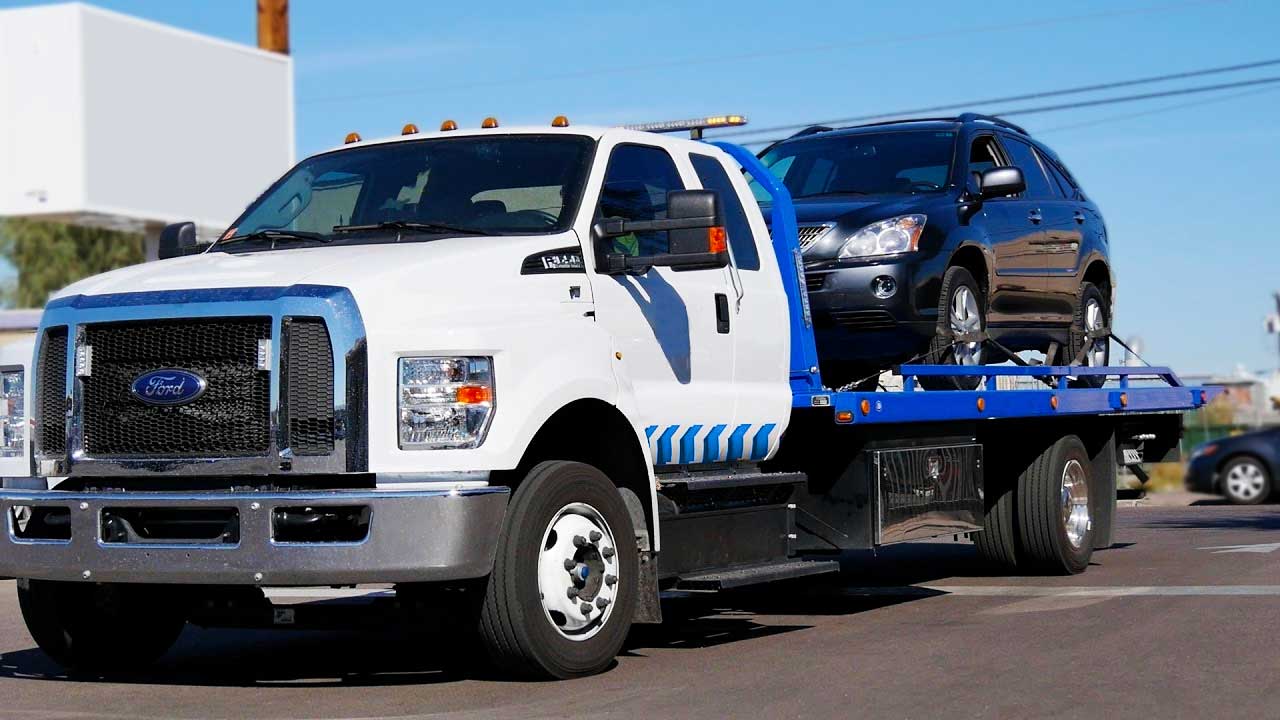
If you’ve ever found yourself stuck on the side of the road, waiting for a tow, you know how crucial towing services are. But beyond the immediate need of stranded drivers, towing represents a unique business opportunity. Many aspiring entrepreneurs wonder: Is starting a towing business profitable? The answer is yes, if approached strategically.
In this guide, we’ll explore the financial potential, operational considerations, and long-term opportunities in the towing industry, providing a roadmap for anyone considering entering this essential service sector.
Why Consider Starting a Towing Business?
The towing industry combines steady demand with the potential for strong revenue streams. While automotive technology is advancing, vehicles will always experience breakdowns, accidents, or require specialized transport. For this reason, towing services remain consistently in demand.
Here are several key reasons towing can be a lucrative venture:
Attractive Profit Potential
Tow truck operations can generate substantial margins, particularly when costs are controlled and multiple services are offered. While average net profit margins typically fall between 10% and 15%, some well-managed businesses have reported margins as high as 70% on select services.
Entrepreneurial Freedom
Owning a towing business allows you to be your own boss. You control schedules, service offerings, pricing strategies, and growth initiatives, giving you autonomy not found in many traditional employment roles.
Practical Mechanical Insight
Operators with a solid understanding of vehicle mechanics gain a competitive edge. Knowledge of automotive systems can help you troubleshoot issues, provide accurate assessments to clients, and offer additional services beyond towing.
Thriving in High-Stress Scenarios
Tow truck drivers frequently encounter tense situations, including distressed or frustrated vehicle owners. If you excel at managing stress and resolving conflicts calmly, this aspect of the business can be manageable and even rewarding.
Scalability Opportunities
Towing operations are highly scalable. As your reputation grows, you can expand your fleet, offer specialized services (like heavy-duty towing or accident recovery), or establish contracts with businesses and municipalities, multiplying revenue streams.
Understanding Operating Expenses That Impact Profitability
While revenue potential is high, towing businesses carry a variety of ongoing expenses. Being aware of and managing these costs is essential for profitability.
Fuel and Vehicle Maintenance
Tow trucks are heavy-duty vehicles with significant fuel consumption. Light-duty operations differ from heavy-duty jobs, but fuel remains one of the largest recurring expenses. Regular maintenance, including oil changes, tire replacements, brake servicing, and occasional repairs, is crucial to prevent costly downtime.
Insurance and Regulatory Compliance
Insurance is mandatory for all towing operations. Coverage may include liability, cargo, commercial vehicle policies, and workers’ compensation for employees. In addition, permits, licensing, and compliance fees vary by state and municipality, adding to overhead.
Labor and Payroll
As your fleet grows, so does the need for qualified drivers and support staff. Payroll must be managed carefully to avoid eroding profit margins while ensuring smooth, reliable operations.
Dispatch Systems, Marketing, and Software
Modern towing businesses often rely on dispatch software to optimize routes and response times. Marketing, whether through digital advertising, SEO, or local promotions, is vital for attracting customers. Additional software for billing, fleet tracking, and inventory management can also be a necessary expense.
By monitoring these costs closely, towing business owners can identify areas to cut spending without compromising service quality.
Profit Margins in the Towing Business: What to Expect
Profit margins in towing can vary widely depending on the business model, service mix, and location. Understanding where revenue comes from is crucial for long-term success.
Typical Margins
- Gross margins: Many towing jobs yield gross margins of 50% to 70%, influenced by fuel, labor, and equipment usage.
- Net margins: After accounting for all expenses, net profit typically falls between 10% and 30%, with some highly efficient operators reaching higher percentages through diversified services.
High-Margin vs. Low-Margin Services
Certain towing services are more profitable than others. Flatbed towing, winching, and roadside assistance usually offer higher margins with minimal overhead, while routine city towing, especially under competitive contracts, may be less profitable.
How Location and Competition Affect Margins
Urban areas tend to have higher call volumes but increased competition, which can suppress rates. Suburban and rural markets may have fewer calls but can charge higher per-job rates. Local market research is critical for optimizing profitability.
Average Annual and Monthly Profits of Truck Towing in the U.S.
Towing has become a significant revenue-generating service in the United States. Earnings vary depending on business size, service complexity, and geographic region:
- Employed drivers: $48,000–$65,000 per year, with higher pay for night shifts or specialized services.
- Owner-operators / small fleets: $80,000–$300,000+ annually, depending on fleet size and contracts.
- Monthly gross revenue: Typically $7,000–$30,000, with seasonal spikes during winter or high-incident periods.
Average rates for light-duty towing now range from $175 to $325 per job, not including mileage, storage, or after-hours fees. Despite rising fuel and insurance costs, efficient operations ensure towing remains a strong-margin business.
The Current Need for Truck Towing Businesses in the U.S.
Several trends underpin the continued demand for towing services across the U.S.:
- Over 280 million registered vehicles on the road.
- Increased urban congestion and longer commute times.
- An aging vehicle fleet, with the average car over 12 years old.
- Higher accident rates during extreme weather events.
Unlike many sectors affected by automation or digital disruption, towing is a non-discretionary service. Drivers, insurers, municipalities, and fleet operators depend on it regardless of economic cycles, making it a recession-resilient business.
Future Outlook for Truck Towing in the U.S.
The towing industry in the United States is not just holding steady; it’s evolving with new opportunities for growth. Several trends suggest that the long-term prospects for tow truck businesses are robust:
- Rising vehicle miles traveled (VMT): Americans are driving more, increasing the likelihood of breakdowns and accidents.
- Electric vehicle growth: EVs present unique challenges, including battery depletion, software malfunctions, and specialized accident recovery, creating new towing needs.
- Expanding fleet sectors: Rideshare, rental, and delivery services mean more vehicles on the road, increasing demand for reliable towing.
- Stricter accident clearance regulations: Municipal and state authorities are increasingly requiring rapid removal of disabled vehicles, opening the door for contract-based towing opportunities.
As urban traffic intensifies and infrastructure regulations become more stringent, towing companies are shifting from ad-hoc services toward contract-driven, technology-enabled operations. This transition allows for predictable revenue and a more stable business model.
Growing Investment Opportunities in U.S. Towing Companies
Towing businesses are increasingly seen as strong candidates for investment. Their reliability, essential-service status, and multiple revenue streams make them attractive to financiers. Key factors driving investment include:
- Long-term contracts: Agreements with insurers, auto clubs (such as AAA), municipalities, and law enforcement agencies provide recurring income.
- Integration with technology: Modern platforms connect towing with logistics, fleet management, and roadside assistance systems, boosting operational efficiency.
- Access to financing: Equipment financing, SBA loans, and commercial vehicle leasing make fleet expansion more attainable.
- Scalable growth without heavy real estate costs: Unlike some service businesses, towing can grow primarily through additional vehicles, not expensive physical locations.
With multiple revenue avenues, including towing, accident recovery, storage, and roadside assistance, tow truck companies are increasingly recognized as durable, high-return service businesses.
Roadside Assistance vs. Traditional Towing: Which Is More Profitable?
Not all towing services are created equal. Profitability varies depending on the services you offer:
Revenue Dynamics
- Roadside assistance: Services like jump-starts, tire changes, and fuel delivery are lower-cost but quick, allowing multiple jobs in a single day.
- Traditional towing: Longer-distance towing commands higher rates but involves more fuel, truck wear, and labor.
Cost Considerations
- Roadside assistance requires minimal equipment and consumes less fuel.
- Heavy-duty towing demands robust trucks, more fuel, and regular maintenance, increasing operating costs.
Scalability and Risk
- Roadside assistance can be scaled quickly with small fleets or mobile operators.
- Heavy-duty towing involves higher investment and operational risk but can yield significant profits if efficiently managed.
Service Type | Revenue Potential | Equipment/Costs | Scalability | Risk |
Roadside Assistance | Lower per call, multiple jobs/day | Minimal equipment, low fuel | High | Low |
Traditional Towing | Higher per job, fewer calls | Heavy-duty trucks, high fuel/maintenance | Moderate | High |
Roadside assistance is ideal for small fleets or mobile operators. Heavy-duty towing offers higher profits but requires greater investment and risk management.
Common Challenges and Financial Risks
Even profitable towing businesses face hurdles. Awareness and preparation are crucial:
- Seasonal fluctuations: Winter storms, summer travel, and holiday traffic affect demand. Planning for low-call periods prevents cash flow issues.
- High insurance premiums: Commercial towing insurance is expensive due to accident risk. Premiums can rise with fleet expansion or claims history.
- Equipment breakdowns: Tow trucks are specialized machines. Unexpected breakdowns lead to repair costs and lost revenue. Regular maintenance is non-negotiable.
- Cash flow management: Delayed payments or unexpected expenses can strain finances. Maintaining a reserve fund is essential for business continuity.
Ways to Increase Profit in a Towing Business
Profitability comes from both increasing revenue and optimizing operations. Here are effective approaches:
Offer complementary services: Vehicle recovery, roadside repairs, lockouts, and junk car removal can increase earnings per call.
Reduce downtime and dead miles: Optimized dispatch and route planning using GPS tracking keeps trucks busy and fuel costs low.
Invest in digital marketing and SEO: A strong online presence ensures drivers in need of urgent assistance can find your business. Google Maps listings, social media, and local directories improve visibility.
Secure long-term contracts: Agreements with insurers, dealerships, and fleet operators guarantee steady income and reduce financial uncertainty.
FAQs
Profitability depends on location, demand, and competition. Urban areas have higher call volumes, while rural areas may yield higher rates per job. Local market research is essential.
Startup costs typically range from $30,000 to $100,000+, depending on truck type, equipment, and business scale.
Yes, towing businesses in the USA can be highly profitable. Success depends on service type (roadside assistance vs. heavy-duty towing), location, and operational efficiency. Owner-operators often earn $2,000–$6,000 per truck per month, with higher profits for fleets and contract work.
Requirements vary by state but typically include:
- Commercial Driver’s License (CDL) for certain vehicles
- Tow truck operator license
- Business license
- Vehicle registration and insurance
- Local permits
Purchasing an established company can save startup time and provide an existing customer base. Evaluate profitability, contracts, fleet condition, and reputation before buying.
Yes. Benefits include steady demand, recurring contracts, and scalability. Risks include insurance costs, maintenance expenses, and market competition.
Boosting Towing Business Profitability with Tow Rankers
Many aspiring tow business owners ask: “Is a towing business profitable?” While the towing industry is inherently profitable, success depends on being visible, accessible, and consistent in attracting calls. Tow Rankers helps towing businesses do just that.
By leveraging AI marketing, local search optimization, and reputation management, Tow Rankers ensures your business ranks high online, converts leads effectively, and maximizes every call. With this support, your towing company doesn’t just operate; it grows, thrives, and earns.